13 May 2026 · 10 min read
Why Buying Second-Hand Furniture Is Better for the Environment
How choosing pre-loved furniture cuts waste, saves resources and shrinks the carbon footprint of furnishing your home.

Furniture shopping doesn’t have to be hard on the environment. When you choose second-hand furniture, you help reduce waste, save resources, and lower carbon emissions.
Buying second-hand furniture extends the life of existing items and keeps usable pieces out of landfills. It also reduces the demand for new manufacturing, which is a win for the planet.
The benefits of second-hand shopping go beyond just waste reduction. It supports a circular economy, cuts down on pollution from manufacturing, and shrinks the carbon footprint of producing and shipping new items.
Making sustainable choices for your home doesn’t have to be complicated. From finding quality used pieces to enjoying the health and economic perks, buying second-hand is a practical way to help the planet and your wallet.
Reducing Resource Consumption and Waste

Choosing second-hand furniture tackles three big environmental issues: the depletion of natural resources, pressure on landfills, and the high energy use of making new products.
Lowering Raw Material Extraction and Deforestation
Buying used furniture means less demand for new products. This helps save trees and cuts down on the need for metals, plastics, and other materials.
The furniture industry contributes significantly to global deforestation. Since 1990, the world has lost a third of its forests—about 420 million hectares.
The furniture sector uses a huge amount of this wood, with some companies responsible for 1% of global wood consumption every year.
Key materials saved by buying second-hand:
- Timber from forests
- Metals like steel and aluminium
- Plastics and synthetic materials
- Water used in production
- Packaging materials
Illegal wood products make up to 30% of global timber production, much of which ends up in cheap furniture. By choosing pre-loved pieces, you help conserve resources and protect forests that keep our climate stable and support wildlife.
Minimising Landfill Use and the Waste Crisis
22 million pieces of furniture are thrown away annually in the UK. That’s a lot of waste and a lot of pressure on landfills.
Furniture materials take ages to break down. Steel takes about 50 years, aluminium can take up to 200 years, and stainless steel—used in office chairs and modern furniture—can take more than 1,000 years to decompose.
Buying second-hand keeps usable furniture out of landfills and extends the life of existing products. Reusing items could save UK households up to £8 billion each year while helping the environment at the same time.
Energy Savings and Reduced Manufacturing Emissions
Making new furniture uses a ton of energy. In 2022, UK furniture manufacturing produced over 575,000 metric tonnes of carbon monoxide emissions.
The average new task chair has a carbon footprint of 72 kgCO₂e. Buying used furniture can reduce climate impacts by 42%.
Choosing a pre-loved office chair instead of a new one can cut the carbon footprint from 72 kgCO₂e to just 32 kgCO₂e.
Refurbishing furniture uses up to 90% less energy than making something brand new. This means fewer emissions and a much smaller environmental impact.
The fast furniture trend—cheap pieces meant to be replaced often—only makes the problem worse by encouraging waste instead of long-term use.
Advancing the Circular Economy Through Furniture Reuse

Buying second-hand furniture is a big part of the circular economy. It keeps items in use longer and reduces the need to make new stuff.
This approach helps local communities and gives quality pieces a second life through repurposing and refurbishing.
The Role of Pre-Owned Goods in a Sustainable Lifestyle
The circular economy is all about keeping products and materials in use for as long as possible. When you buy pre-owned furniture, you support this system and cut down on waste.
Second-hand purchases divert items from landfills and reduce the need for recycling and new production. Every pre-loved item you bring home means one less thing made from scratch.
The second-hand market makes it easy to live more sustainably without giving up on quality or style. You can find well-made pieces that have already stood the test of time.
Your choices also send a message to manufacturers: you care about durability and reuse, not just buying new for the sake of it.
Supporting Local Thrift Stores and Community Initiatives
Shopping at local thrift stores and charity shops keeps money in your community. These shops often create jobs and support good causes.
Many charity shops use their profits to fund community programs like housing help, job training, and family support. Your purchase does more than just furnish your home—it supports your neighbours, too.
Donating and buying pre-loved items reduces waste and promotes a circular economy while helping both the environment and your neighbourhood.
Second-hand shopping usually feels more personal than buying from big retailers. You get to connect with local sellers and find unique pieces with their own stories.
Extending Product Lifespans Through Repurposing and Refurbishing
Upcycling is a fun way to give old furniture a new look. A fresh coat of paint, new handles, or updated fabric can totally transform a piece.
Refurbishing helps quality furniture last even longer, keeping it out of landfills. Older items are often made from solid wood and built to last—unlike a lot of modern, mass-produced stuff.
You can also repurpose furniture for brand-new uses. An old dresser might become a bathroom vanity, or vintage crates could turn into shelves.
The furniture reuse movement keeps materials in circulation through reselling, repurposing, and recycling.
Even small repairs, like tightening a wobbly leg or replacing drawer slides, can add years to a piece’s life. Your efforts help reduce waste and give your home a unique, personal touch.
Cutting Carbon Emissions and Promoting Mindful Consumption

Choosing second-hand furniture is a great way to shrink your carbon footprint and support sustainable practices. The impact of your choices really adds up when you opt for pre-loved items instead of new ones.
Environmental Impact of Buying Used Versus New Furniture
Buying new furniture means more manufacturing, which comes with a heavy environmental cost. A new office chair has a carbon footprint of 72 kgCO₂e, while a used one produces only 32 kgCO₂e. That’s a carbon reduction of more than 55%.
The furniture industry generated over 575,000 metric tonnes of carbon monoxide emissions in the UK in 2022. Making new furniture requires extracting raw materials, using lots of energy, and transporting products long distances.
Buying second-hand reduces the demand for new production, eases the strain on resources, and lowers carbon emissions. Pre-loved furniture usually travels shorter distances, which means less transportation pollution, too.
Carbon Savings Achieved with Second-Hand Purchases
Research shows that buying used furniture can cut climate impacts by 42% compared to buying new. With better replacement and smarter transport, the second-hand industry could save up to 80% of climate impact.
Refurbishing furniture uses up to 80% less energy than making new products. Some studies say energy savings could be as high as 90% when you choose refurbished items.
Second-hand shopping helps reduce waste by keeping existing goods in use. This means fewer raw materials like cotton, metals, and plastics are needed.
Every pre-loved purchase prevents extra resource extraction and manufacturing emissions.
Encouraging Mindful and Sustainable Consumption
Sustainable living is all about making thoughtful choices. Buying second-hand furniture is a simple way to lower your environmental impact.
Mindful consumption through second-hand shopping shrinks your carbon footprint and reduces the need for new products. You’re helping build a circular economy that values reuse and quality.
Your choice to buy pre-loved furniture keeps millions of pieces out of UK landfills every year. Materials like steel, aluminium, and stainless steel take decades—or even centuries—to break down.
By choosing second-hand, you help prevent these materials from becoming waste and support practices that protect the planet.
Second-Hand Furniture Shopping: Where and How to Buy Sustainably
Finding good used furniture is all about knowing where to look and what to look for. The right places can connect you with solid pieces, and a little knowledge about materials will help you find items that last.
Online Marketplaces and Local Options
Online marketplaces offer tons of options for pre-loved furniture at different price points. Facebook Marketplace lets you browse local listings and chat directly with sellers. eBay offers buyer protection, making it a good choice for higher-value items like a vintage cabinet or mid-century coffee table.
Craigslist is still a go-to for quick finds, but you’ll need to handle cash and pick-up yourself. For free stuff, check out Freecycle and Olio—these platforms connect you with people giving away unwanted pieces.
Thrift stores and charity shops get new inventory all the time. The British Heart Foundation and Cancer Research run dedicated furniture shops with delivery and return options. Local auction houses are great for both antique and modern pieces at fair prices.
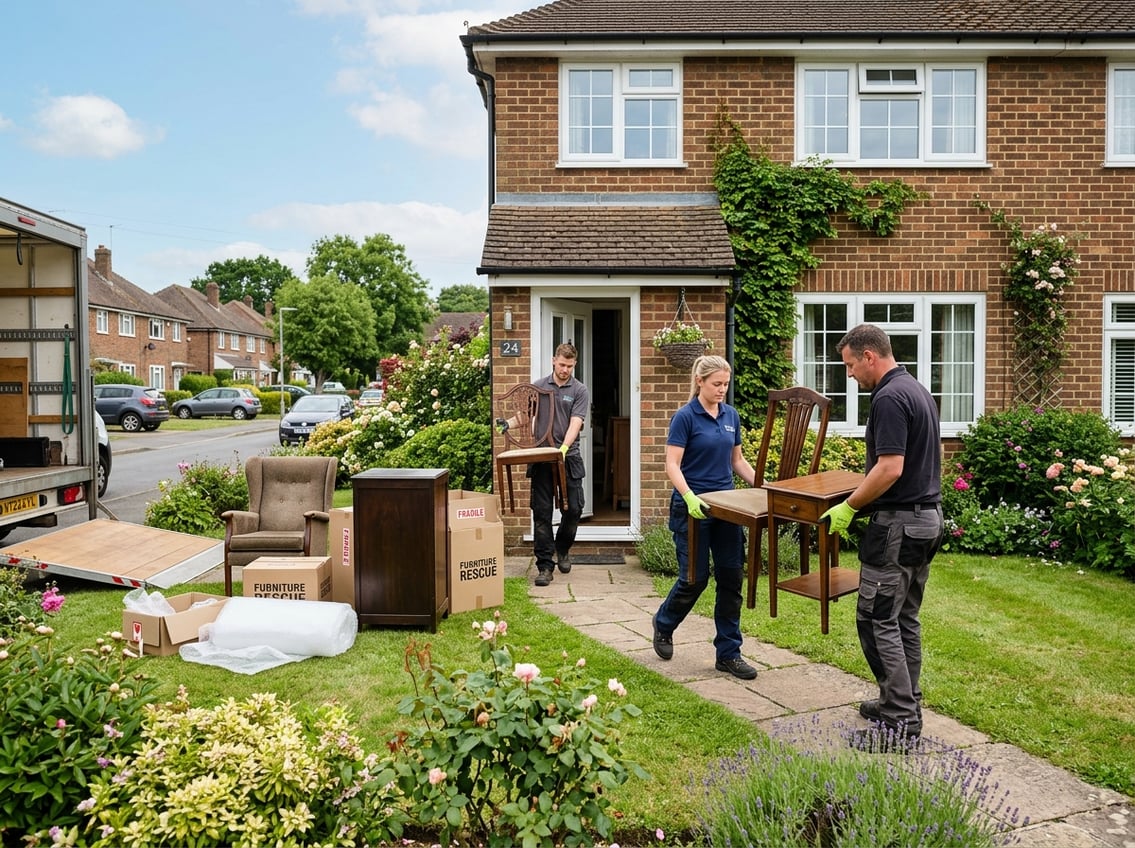
Community schemes and social enterprises in your area might refurbish and sell used goods, too. Whenever possible, inspect items in person to make sure you’re happy with the condition before you buy.
Choosing Quality Materials: Solid Hardwood vs MDF and Particleboard
Solid hardwood furniture lasts for decades, making it a top pick for sustainable second-hand shopping. Oak, walnut, teak, and mahogany can handle years of use and can be refinished more than once.
Look for details like dovetail joints and sturdy construction—these are signs of good craftsmanship.
MDF (medium-density fibreboard) is made from wood fibres and resin pressed together. It’s heavier than particleboard but isn’t great if you plan to take furniture apart and reassemble it.
MDF works for pieces that won’t be moved often, but it’s not ideal for frequent rearranging.
Particleboard uses wood chips and glue to create affordable furniture. It doesn’t hold up well over time, especially if exposed to moisture.
Screws can strip easily, so it’s best to avoid particleboard unless you need something temporary or free.
Check under drawers and inside cabinets to see what materials were used. Solid wood has a continuous grain, while manufactured boards have layered or composite edges.
Tips for Repurposing, Upcycling, and Extending Lifespan
Always give second-hand items a deep clean before bringing them into your home. Spray vinegar on musty surfaces or leave bicarbonate of soda in drawers overnight to tackle odours.
Tighten loose screws and re-glue any wobbly joints right away. Lightly sand wooden surfaces before adding wax for a fresh look and extra protection.
A quick paint job can turn an outdated piece into something that fits your style perfectly.
Simple upcycling projects include:
- Swapping out hardware on dressers and cabinets
- Dyeing or bleaching cushion covers
- Reupholstering chair seats with new fabric
- Stripping and re-varnishing solid wood surfaces
For sofas, consider a professional cleaning to get rid of dirt and allergens. If the fabric is torn, sew the seams or use decorative patches.
Make sure any upholstered items have the right fire safety labels—charity shops won’t sell them without certification.
For trickier repairs, local furniture restorers can work wonders on valuable pieces. Their skills can give quality furniture a whole new lease of life.
Health, Style, and Economic Advantages of Buying Used
Choosing preloved furniture isn’t just good for the environment. Used pieces often have fewer chemicals, offer unique style, and save you a good chunk of money.
Lower Chemical Exposure and Better Indoor Air Quality
New furniture can release volatile organic compounds (VOCs) from materials like particle board and adhesives. Pre-owned furniture has already off-gassed most of these chemicals, so it’s a safer bet for your home.
VOCs can bother your eyes, skin, or breathing, especially if you have allergies or sensitivities. With used furniture, most of the off-gassing is already done by the time it gets to you.
Second-hand pieces help keep your indoor air cleaner. This is especially important in bedrooms and other spaces where you spend lots of time.
Unique Finds and High-Quality Craftsmanship
Shopping second-hand opens up a world of unique pieces with real character. Your home ends up looking like you—not just another catalogue.
Older furniture is often built better, with solid wood frames, dovetail joints, and hand-carved details. These quality materials and techniques are hard to find in most modern furniture.
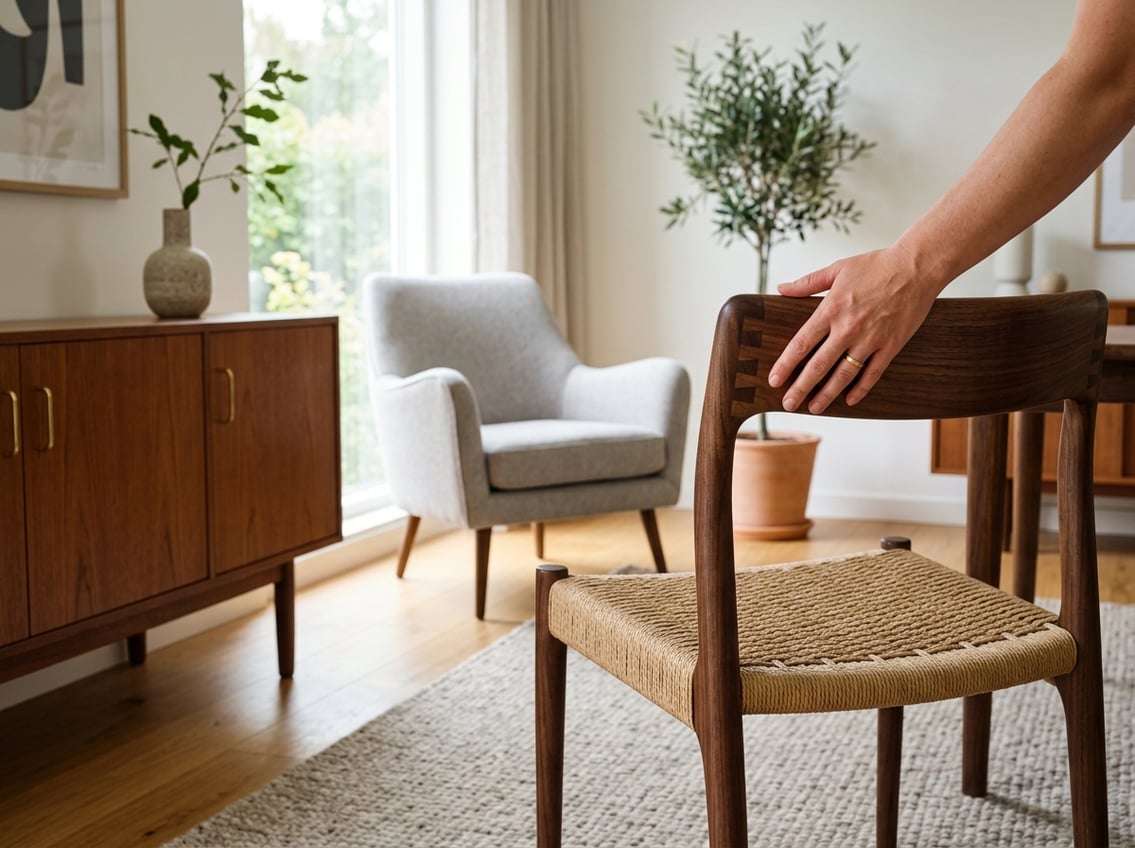
Mixing different styles and eras adds personality to your space. A mid-century sideboard can look great with modern chairs, and antique pieces can warm up a minimalist room.
Sustainable shopping through preloved finds lets you create a home that feels unique and full of life.
Cost Savings and Value for Money
Used furniture usually costs much less than buying new, and you often get better quality. You might be able to furnish an entire room for the price of just one new piece.
This makes sustainable furniture an option for almost any budget.
Key financial benefits include:
- Prices that are usually 50-80% lower than retail
- Access to designer brands without the high price tags
- The chance to negotiate with sellers
- Lower delivery costs when you buy locally
Older furniture is often built to last, so you’re getting durability instead of something you’ll need to replace soon. If you like DIY projects, buying used also gives you plenty of opportunities to try upcycling.